
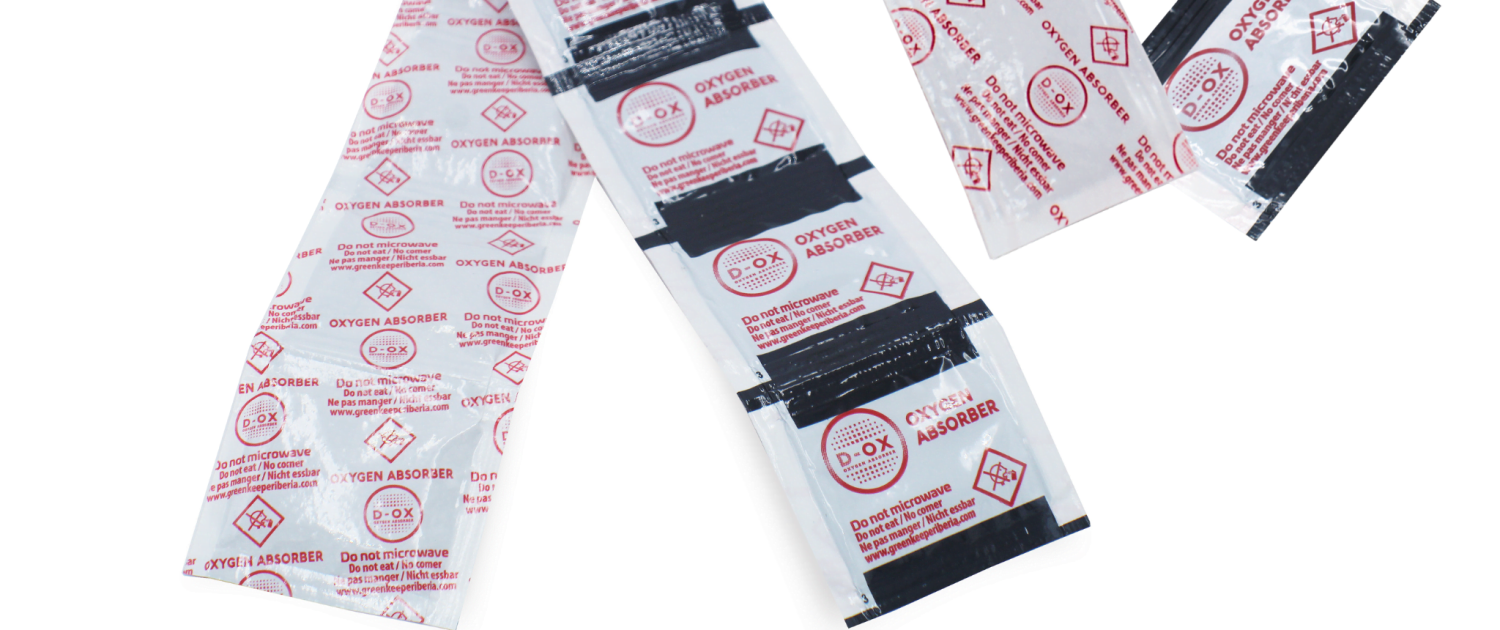
Introduction to the use of oxygen absorbers in food: What are they and how do they work?
- Basic explanation of the technology, and its importance for food preservation.
Introduction to the use of oxygen absorbers in food: What are they and how do they work?
In the world of food preservation, ensuring freshness and quality is a constant challenge. Consumers demand products that retain their taste, texture and nutritional value over long periods, and companies are looking for innovative solutions to meet this demand. This is where oxygen absorbers come in – a revolutionary technology that is changing the way we store and market food.
What are oxygen absorbers?
Oxygen absorbers are small specialised sachets designed to remove residual oxygen within a sealed package. These sachets contain active substances, such as iron powders and salts, which chemically react with oxygen, thus removing it from the atmosphere inside the package. By reducing the oxygen concentration to extremely low levels (<0.1%), they create an extreme environment for aerobic microorganisms and slow down the oxidation processes that spoil food.
How do oxygen absorbers work?
The functioning of oxygen absorbers is based on simple but effective chemical reactions:
- Chemical reaction: the active materials inside the absorber, such as iron powder, oxidise when they come into contact with oxygen and moisture present in the air inside the container, generating different compounds such as iron oxides. The chemical reaction would be as follows:
3Fe + 4O2 + 6H2O à 2Fe3O4 + 6H2
- Reduction of ambient oxygen: As the reaction is completed, the amount of oxygen available in the container decreases drastically, reaching levels of less than 0.1%.
- Continued protection: As long as the oxygen absorber retains its reactive capacity, it will continue to remove oxygen that may enter through the packaging or be released from the packaged food.
Key benefits of oxygen absorbents in foods
The use of oxygen absorbents offers multiple benefits for food preservation,
especially for sensitive products such as nuts, seeds, dried and freeze-dried foods:
- Prolonged shelf life: By minimising oxidation, oxygen absorbers help to maintain the original flavour, colour and texture of foods for longer.
- Prevention of microbial growth: Reducing oxygen creates a hostile environment for aerobic bacteria, moulds and yeasts, improving product safety.
- Maintenance of nutritional quality: Protect sensitive nutrients, such as fat- soluble vitamins and antioxidants, which are prone to degradation in the presence of oxygen.
- Reduced waste: Foods that remain fresh longer are less likely to be discarded.
Main applications
Oxygen absorbers are widely used in the food industry and other sectors:
- Nuts and seeds: Preserve freshness and prevent rancidity of natural fats.
- Dehydrated and freeze-dried foods: ensure crispness and prevent spoilage.
- Organic products: Offer a natural alternative to the use of chemical preservatives.
- Snacks and energy bars: Maintain texture and taste during distribution and storage.
Why choose oxygen absorbers?
In a competitive market, where freshness and quality are priorities, oxygen
absorbers represent an effective and affordable solution. In addition, their ease of implementation into existing packaging systems makes them an ideal choice for companies of all sizes.
